Spirituality is deeply personal.

Spirituality is often defined as a connection to something bigger than ourselves. It can help us find meaning, purpose, comfort, and strength as we navigate life’s challenges. Religion includes the rituals and beliefs that help us practice our spirituality. When we experience challenges with religion or spirituality, it can cause a significant amount of distress.
Sometimes religion causes more pain than comfort.
When someone uses God, religion, or spiritual authority to control, punish, shame, or harm others, it is called spiritual abuse. Spiritual abuse can contribute to religious trauma, especially when harm comes from a trusted leader, community, family system, or high-control belief system.
Experiencing spiritual abuse or religious trauma can be deeply confusing. The place, people, or beliefs that once provided comfort may now be a source of pain. This can lead to a faith crisis, faith transition, or faith deconstruction.
Shifting beliefs can be destabilizing.
We are not meant to stay the same, but change can be painful and disorienting. During a faith crisis or when going through faith deconstruction, it may feel like the ground has given way beneath you. When that shift is connected to religious trauma or spiritual abuse, the grief, fear, anger, and confusion can feel even more complex.
Spiritual challenges can affect every aspect of life.
Religious trauma can contribute to shame, anxiety, depression, perfectionism, low self-worth, relationship difficulties, people-pleasing, loss of meaning, identity confusion, hopelessness, and many other emotional and psychological challenges. In addition, purity culture teachings may lead to poor body image, dissociation, and sexual dysfunction. These struggles can feel overwhelming and all-consuming.
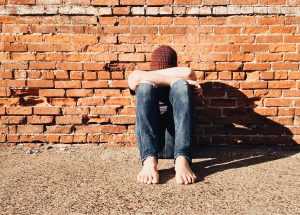 It can be difficult to navigate relationships with loved ones who may not understand what you are experiencing. For those who find themselves in mixed-faith marriages, what once felt like the glue holding the relationship together may suddenly become a source of conflict, distance, or disconnection.
Religious scrupulosity is a form of obsessive-compulsive disorder (OCD) characterized by intrusive thoughts (obsessions), such as fears of sinning, going to hell, or offending or angering God, and compulsive behaviors, including excessive prayer or repentance, repeated confession, rigid adherence to religious rules, or strict church participation. While these rituals can be part of normal religious devotion, they can interfere with a person’s spiritual and emotional well-being when driven by OCD.
Healing is possible.
I have experience working with current and former members of the LDS (Mormon) Church, Two by Twos, and other Christian traditions and welcome clients from all religious, spiritual, and nonreligious backgrounds. I also work with individuals recovering from cult involvement and other high-control groups.
I utilize Brainspotting, EFT, ACT, and other approaches to help clients process difficult experiences, rebuild trust in themselves, strengthen self-worth, establish healthy boundaries, and move toward a more authentic and fulfilling life.
Faith deconstruction does not have to mean faith destruction.
For clients who want to reconstruct their spirituality after deconstruction, or who want their religious beliefs incorporated into therapy, I also offer spiritual integration and faith-based counseling. For some, a faith crisis can lead to a faith transition or faith expansion.
I honor each client’s belief system and will not impose values or push clients to join, leave, or stay in any particular religion or church. You get to decide what you believe and how you choose to express that belief. For those seeking spiritual integration, the focus is on healthy spirituality, regardless of religious affiliation or beliefs.